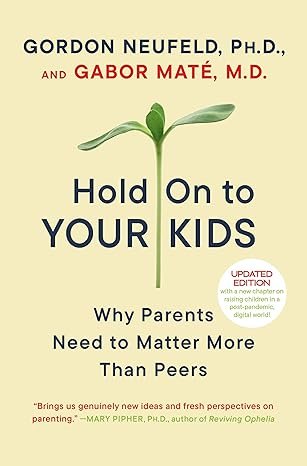
In the book Hold On To Your Kids: Why Parents Need to Matter More Than Peers, Gabor Maté’s shares his perspective on attachment theory, a theory deeply rooted in scientific research and clinical observation, offers profound insights into human development and well-being. From an Islamic perspective, these insights resonate strongly with our teachings on fitra (innate disposition), tarbiyah (nurturing), and the importance of healthy relationships.
Maté emphasizes that attachment is a fundamental human need, crucial for a child’s sense of security, self-worth, and emotional regulation. He identifies seven attachment needs:
- Proximity: The need to be near caregivers.
- Sameness: The need to be like those we attach to.
- Belonging and Loyalty: The need for acceptance and to be part of a unit.
- Significance: The need to matter to our caregivers.
- Love: The need to be cherished and valued.
- Being Known: The need to be seen and understood.
- Protection/Defense: The need for safety and security.
When these needs are consistently met in a loving and responsive manner, children develop a secure attachment. This provides a strong foundation for them to explore the world, form healthy relationships, and navigate life’s challenges with resilience.
From an Islamic standpoint, fulfilling these attachment needs is an act of ‘ibadah (worship). The Quran and Sunnah repeatedly emphasize kindness, mercy, and responsibility towards children. The Prophet Muhammad (PBUH) exemplified ideal parenting, showing immense love, patience, and understanding towards children.
Maté argues that when attachment needs are unmet due to various stressors (e.g., parental unavailability, trauma), children may develop insecure attachment patterns. These patterns can manifest as anxiety, avoidance, or disorganization, impacting their emotional health and relationships throughout life.
Understanding Maté’s theory empowers Muslim parents to consciously foster secure attachment by being present, responsive, and emotionally attuned to their children. This nurturing environment, guided by Islamic principles, helps children blossom into confident, compassionate individuals, ready to fulfill their potential as servants of Allah (SWT).