In today’s complex world, where misunderstandings and tensions can quickly escalate, understanding our rich historical legacy of justice and harmony is crucial for Muslim families. Recent events, such as the riots in Amsterdam, underscore the importance of historical knowledge and nuanced understanding. Recent riots in Amsterdam have been accompanied by attempts to promote a narrative of perpetual tension between Muslims and Jews. Some groups have sought to frame these conflicts as an inevitable result of historical animosity. However, a careful examination of history reveals a dramatically different story – one of coexistence, mutual respect, and shared protection.
It is critical to recognize and challenge oversimplified accounts that seek to divide communities. Historical evidence demonstrates that Muslims and Jews have often lived side by side in peace, particularly under just Islamic governance systems that protected the rights of all citizens.
The Muslim world protected Jews for over a millennia. Jews flourished under Islamic governance thus many famous Jewish personalities such as Maimonides emerged from the Muslim world.
Contrary to modern narratives that suggest perpetual tensions, Islamic history is replete with examples of Muslims and Jews living together in peace and mutual respect. Our historical records demonstrate a profound commitment to protecting the rights of all citizens, regardless of their religious background.
A powerful illustration of Islamic compassion occurred during the Spanish Inquisition of 1492. When Jews were brutally expelled from Spain, the Ottoman Sultan Bayezid responded with remarkable assistance which has been discussed for centuries. He sent naval ships to rescue Jewish refugees, providing them safe passage and protection within the Ottoman state. This act embodied the Quranic principles of justice and human dignity.
Surah An-Nisa: A Timeless Mandate
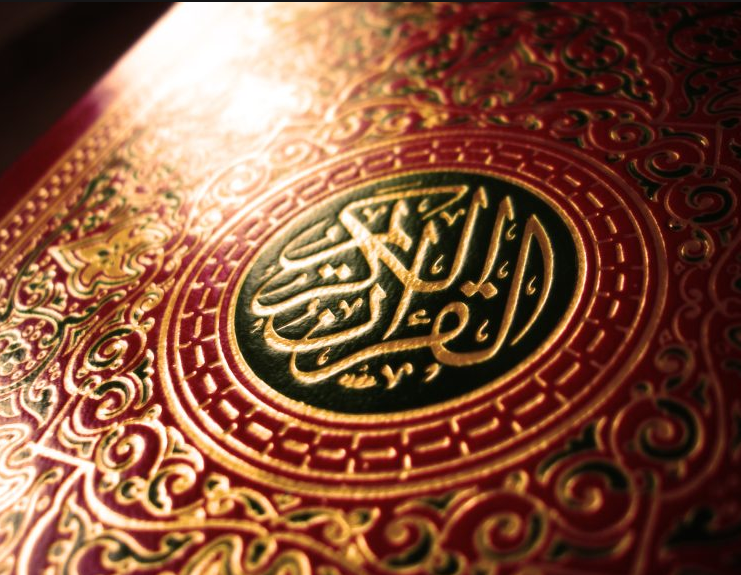
The Quran provides clear guidance on justice in Surah An-Nisa, Verse 135:
يَـٰٓأَيُّهَا ٱلَّذِينَ ءَامَنُوا۟ كُونُوا۟ قَوَّٰمِينَ بِٱلْقِسْطِ شُهَدَآءَ لِلَّهِ وَلَوْ عَلَىٰٓ أَنفُسِكُمْ أَوِ ٱلْوَٰلِدَيْنِ وَٱلْأَقْرَبِينَ ۚ إِن يَكُنْ غَنِيًّا أَوْ فَقِيرًۭا فَٱللَّهُ أَوْلَىٰ بِهِمَا ۖ فَلَا تَتَّبِعُوا۟ ٱلْهَوَىٰٓ أَن تَعْدِلُوا۟ ۚ وَإِن تَلْوُۥٓا۟ أَوْ تُعْرِضُوا۟ فَإِنَّ ٱللَّهَ كَانَ بِمَا تَعْمَلُونَ خَبِيرًۭا ١٣٥
“O believers! Stand firm for justice as witnesses for Allah even if it is against yourselves, your parents, or close relatives. Be they rich or poor, Allah is best to ensure their interests. So do not let your desires cause you to deviate ˹from justice˺. If you distort the testimony or refuse to give it, then ˹know that˺ Allah is certainly All-Aware of what you do”
Takeaway Messages for Parents
1. Teach Historical Accuracy: Help your children understand the true nature of Islamic governance – a system built on justice, compassion, and respect for all humans.
2. Challenge Divisive Narratives: Discuss current events like the Amsterdam riots as opportunities to promote understanding and reject simplistic, antagonistic interpretations.
3. Emphasize Islamic Values: Highlight how Islamic principles promote fairness, protection of the vulnerable, and mutual understanding.
Takeaway Messages for Children
1. Be Proud of Your Islamic heritage: Our history is rich with examples of justice, tolerance, prosperity and unity.
2. Stand for Justice: Follow the Quranic guidance to be just, even when it might be challenging.
3. Seek Understanding: Learn to look beyond surface-level conflicts and understand the deeper historical context.
Conclusion
In a world marked by conflict and misunderstanding, the Islamic principles of justice offer a powerful alternative. By understanding our glorious Islamic history, we can inspire hope, promote understanding, and work towards creating a more just and peaceful world based on Islamic values.
Remember: Knowledge of our history is a powerful tool for challenging misconceptions and building a better future.

Related Articles
Peas in a pod
I OFTEN LOVINGLY refer to my children as peas. To which my daughter refers to me as a pod. Why? Because I protect my peas. As parents, we all strive to protect our children. It starts even before the birth of the child. We ask how to protect the unborn baby in the womb. What […]
The Day of Catastrophe
‘SO WHY CAN’T they all live in peace?’ our 9-year-old daughter asked the other day. We had been talking about the current situation in Palestine and reflected on our own visit to Jerusalem a few years ago where we saw first-hand the daily oppression our brothers and sisters are facing. It is ironic that the […]
Dependence and independence
‘HE CRIES A lot doesn’t he,’ my 11-year-old daughter commented about her little brother. There was a pattern to his cries and we were trying to work out what all the different sounds meant. Babies cry due to hunger, needing a nappy change, trapped wind in the upper or lower tummy, feeling cold or hot, […]